Évaluation des vulnérabilités liées aux fichiers et de l'
Détectez les vulnérabilités logicielles connues en analysant directement les fichiers avant même que les applications ou les bibliothèques ne soient exécutées.File-Based Vulnerability Assessment
File-Based Vulnerability Assessment identifieFile-Based Vulnerability Assessment les composants logiciels vulnérables au niveau des fichiers,
comblant ainsi les lacunes de sécurité laissées par les scanners traditionnels utilisés après l'installation.
- Détection avant installation
- Analyse au niveau binaire
- Surface d'attaque réduite
OPSWAT bénéficie de la confiance de
























BrevetéTechnologieU.S. 9749349 B1
2.5k
Fournisseurs soutenus
plus de 30 000
CVE associés à
Informations sur la gravité
3M
Hachages vulnérables identifiés sur
Analyser
Fichiers exécutables et programmes d'installation d'
Identifier les risques sans dépendre de l'empreinte du système
Analyser l'état de repos et les applications en cours d'exécution
L'
traditionnelle de l'analyse des vulnérabilités laisse subsister des failles critiques
L'analyse post-installation et la détection basée sur l'empreinte ne permettent pas de détecter les vulnérabilités des logiciels avant leur déploiement,
ce qui expose les systèmes à des menaces potentielles.


Les vulnérabilités sont détectées trop tard
La plupart des scanners ne détectent les vulnérabilités qu'une fois le logiciel installé et en cours d'exécution, ce qui laisse une fenêtre d'opportunité aux pirates pour exploiter les failles connues.


Visibilité incomplète sur Software
Les outils traditionnels s'appuient sur les traces laissées par le système, les entrées du registre ou les gestionnaires de paquets, qui peuvent être absents, modifiés ou dissimulés intentionnellement.

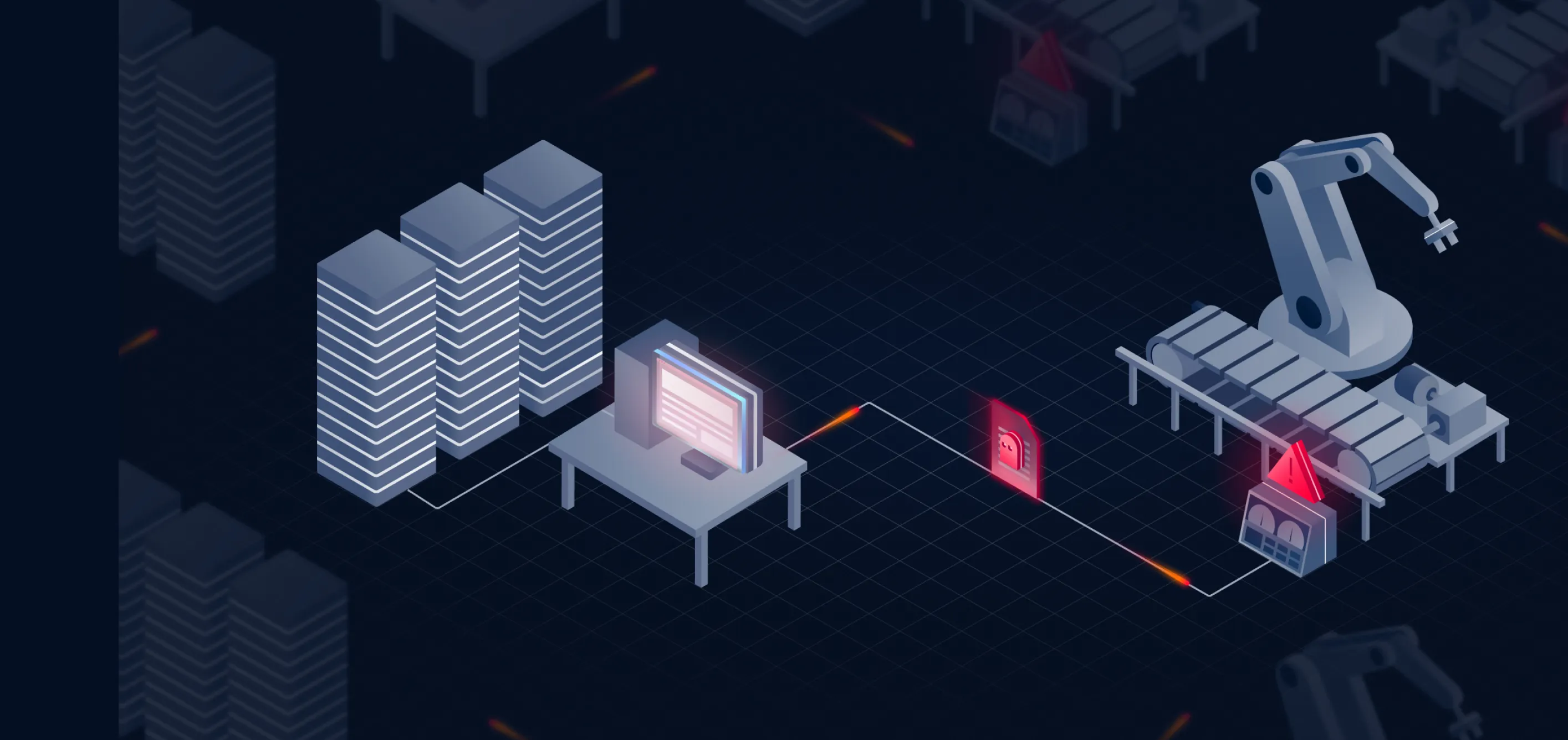
Risque élevé dans les environnements isolés et les salles d'opération
Les environnements isolés physiquement, les infrastructures technologiques opérationnelles (OT) et les infrastructures critiques ne peuvent se permettre de voir des logiciels vulnérables s'introduire dans leurs réseaux sans être détectés, que ce soit via des supports amovibles ou des mises à jour.
Vulnerability Detection proactive Vulnerability Detection niveau des fichiers
File-Based Vulnerability Assessment les logiciels vulnérables en analysant directement les fichiers avant leur installation, leur exécution ou leur accès au réseau.

Vulnerability Detection d'
s avant l'installation
Analysez les fichiers avant leur déploiement afin d'identifier les vulnérabilités connues et d'empêcher d'emblée l'introduction de logiciels à risque dans les environnements.
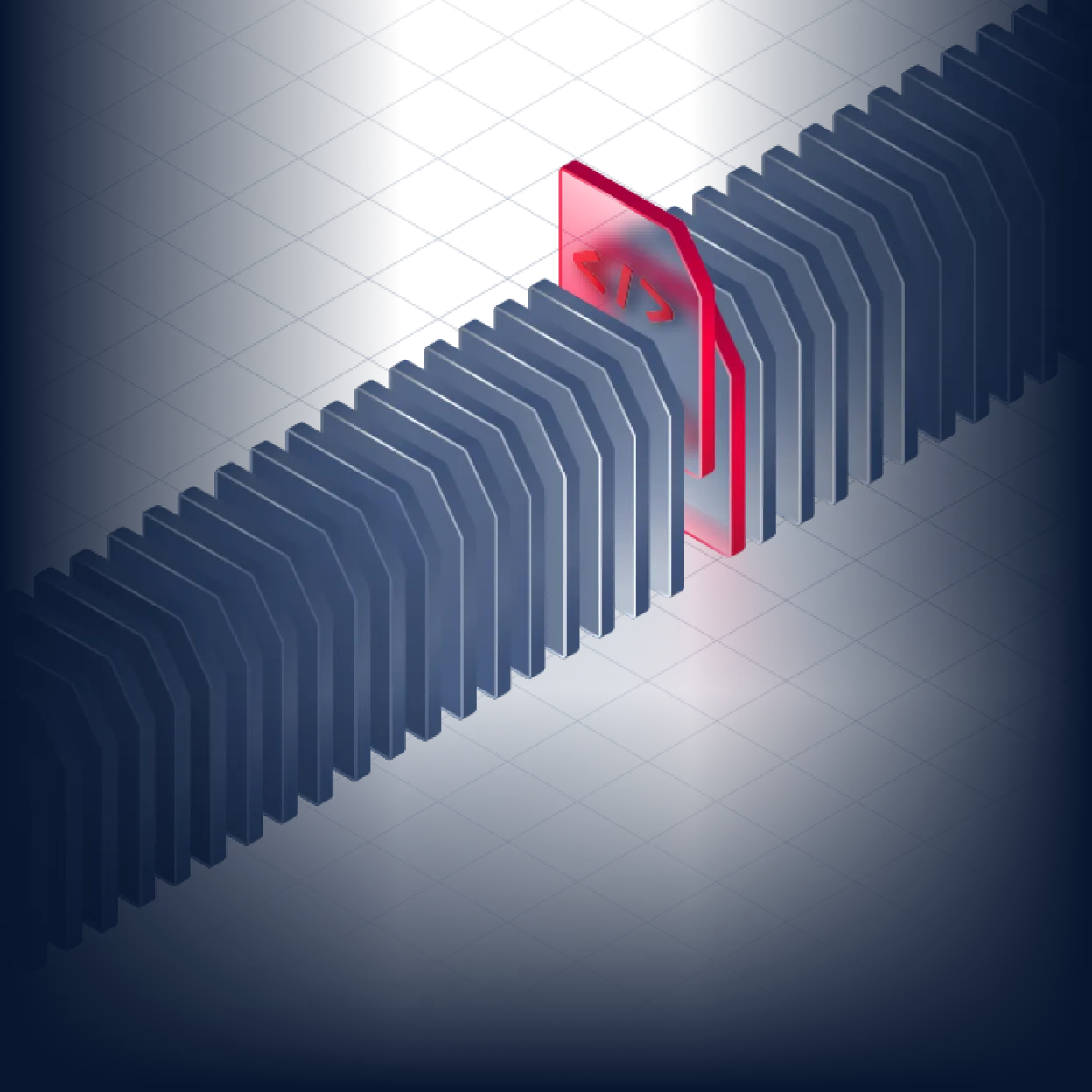
Software de niveau binaire
Intelligence

Protection pour les environnements de sécurité à haute sécurité
Secure les systèmes Secure , les systèmes OT et les systèmes critiques en analysant les fichiers avant qu'ils n'atteignent les réseaux isolés.
Comment File-Based Vulnerability Assessment
OPSWAT directement les fichiers et les met en corrélation avec les vulnérabilités connues à l'aide d'outils d'analyse logicielle avancés.
 ÉTAPE 1
Analyse des dossiers
Les fichiers exécutables, les programmes d'installation et les bibliothèques sont analysés afin d'identifier les composants logiciels et les informations relatives à leur version.
- ÉTAPE 2
Corrélation des vulnérabilités
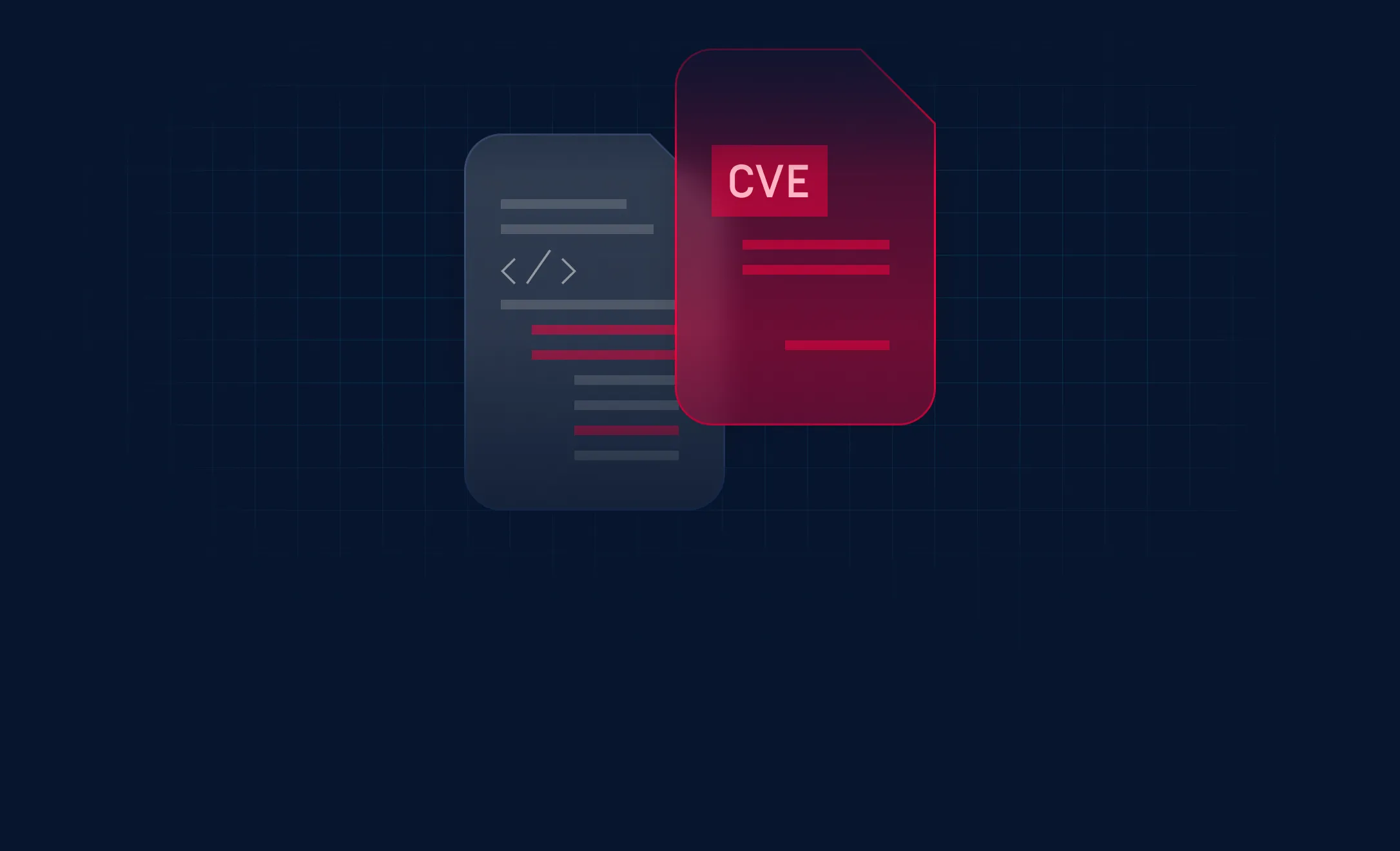
Les composants identifiés sont associés à des CVE connus grâce aux informations sur les vulnérabilités OPSWAT, mises à jour en permanence. - ÉTAPE 3
Décisions fondées sur les risques
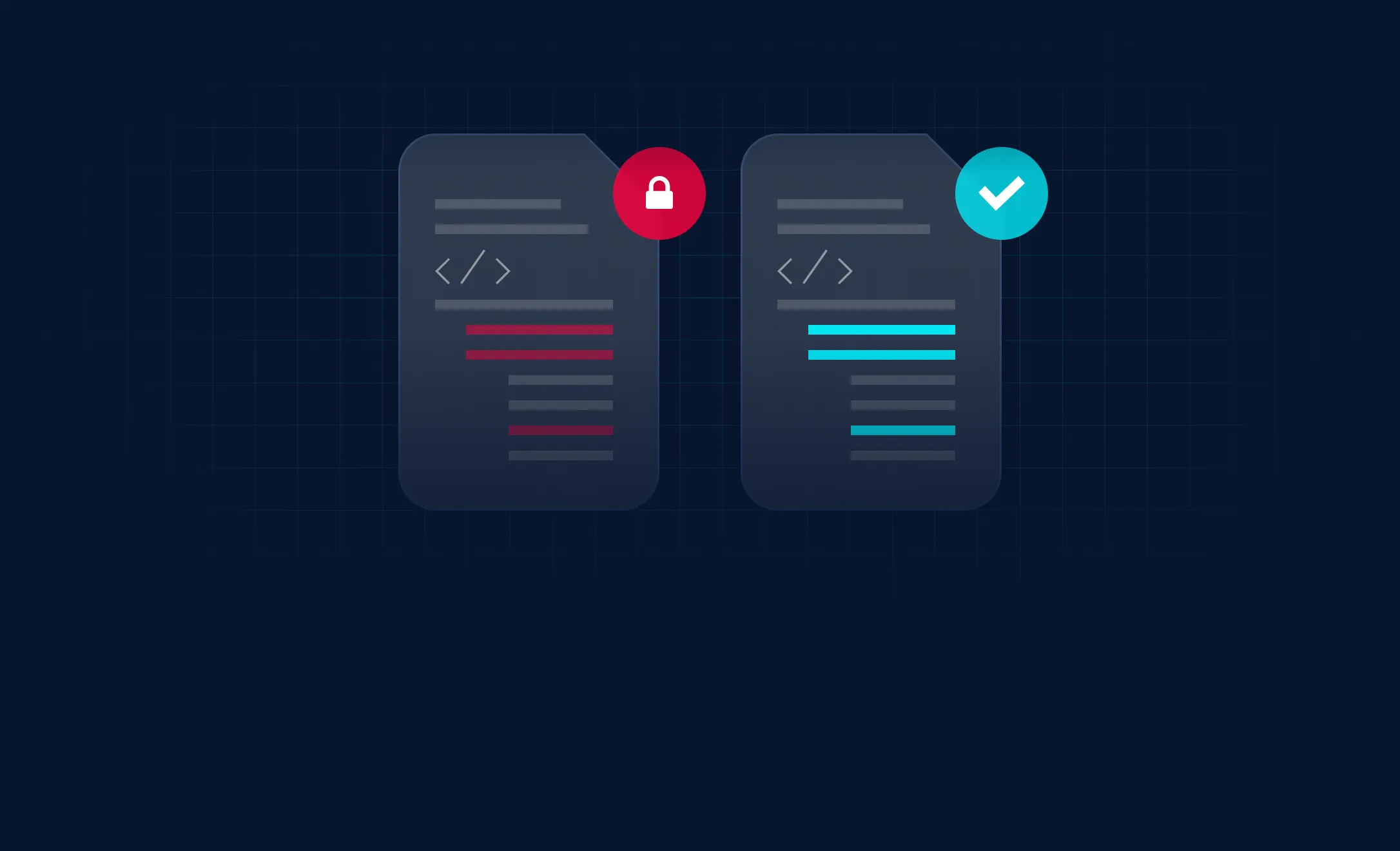
Les politiques de sécurité peuvent bloquer, autoriser ou corriger des fichiers en fonction de la gravité de la vulnérabilité et du niveau de tolérance au risque de l'organisation.

Caractéristiques principales
Détection des vulnérabilités de type «
» avant exécution
Empêche l'exécution des logiciels vulnérables avant même qu'ils ne soient lancés,
ce qui réduit considérablement l'exposition aux risques et
élimine les angles morts laissés par les analyses post-installation
.
Analyse indépendante de l'empreinte
Détecter les vulnérabilités sans s'appuyer sur
les entrées de registre, les gestionnaires de paquets ou
les artefacts logiciels installés.
Large gamme de formats de fichiers pris en charge
Prend en charge un large éventail de fichiers binaires, notamment les applications d'
, les programmes d'installation et les bibliothèques partagées.
Déployer partout, intégrer partout
Solution de sécurité des fichiers complète et évolutive qui s'intègre de manière transparente et suit vos fichiers où qu'ils aillent.

Cloud
Évaluation évolutive des vulnérabilités fournie via les services OPSWAT .

Sur site
Idéal pour les environnements réglementés, isolés physiquement ou hautement sécurisés.

Hybride
Un déploiement flexible combinant des contrôles dans le cloud et sur site.

OPSWAT travaille là où vous travaillez
Prévenez les menaces et les attaques de type "zero-day" grâce à des solutions faciles à déployer, à intégrer et à maintenir qui s'intègrent dans votre pile technologique existante. L'intégration se fait via REST API ou des connecteurs natifs pour prendre en charge une variété de scénarios de déploiement. Nous proposons des solutions pour les applications cloud-natives, conteneurisées et hébergées localement.
